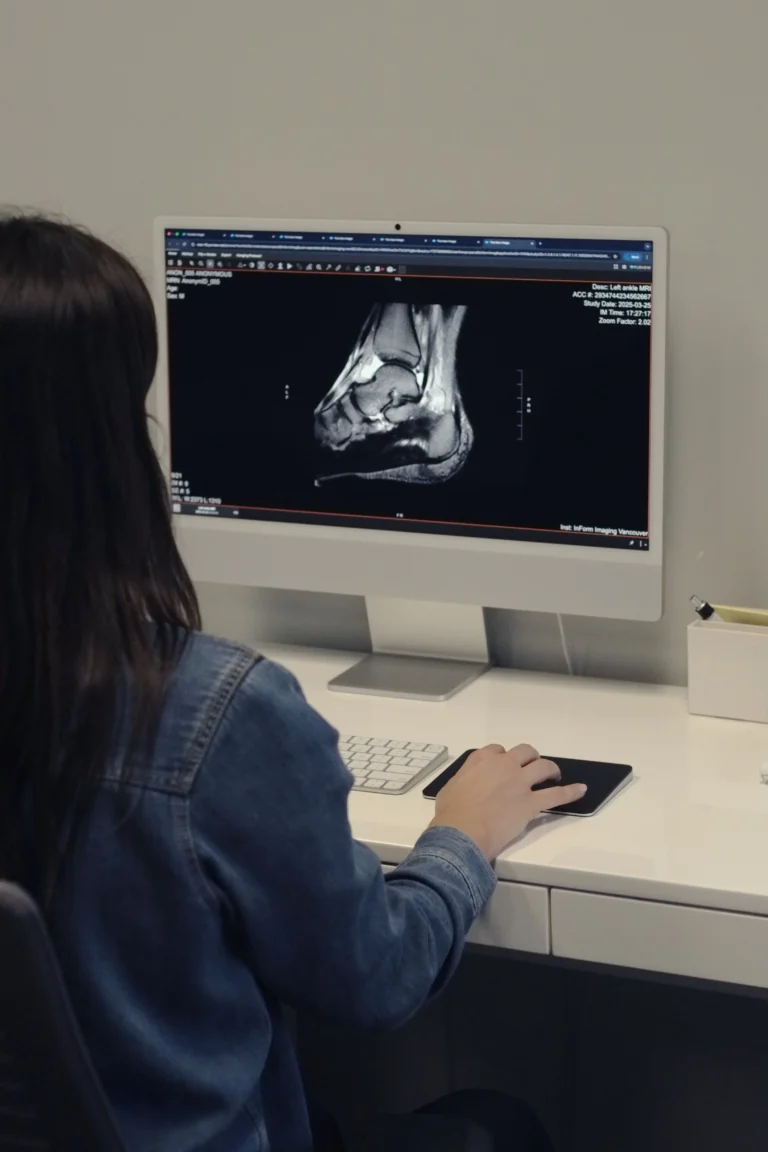
What an MRI actually is
An MRI creates images using a magnetic field and radio waves. It’s non-invasive and does not use ionizing radiation (unlike X-ray or CT).
Misconception 1: “All MRIs are basically the same”
Not quite. MRI scanners vary by:
- Field strength (the “Tesla” number)
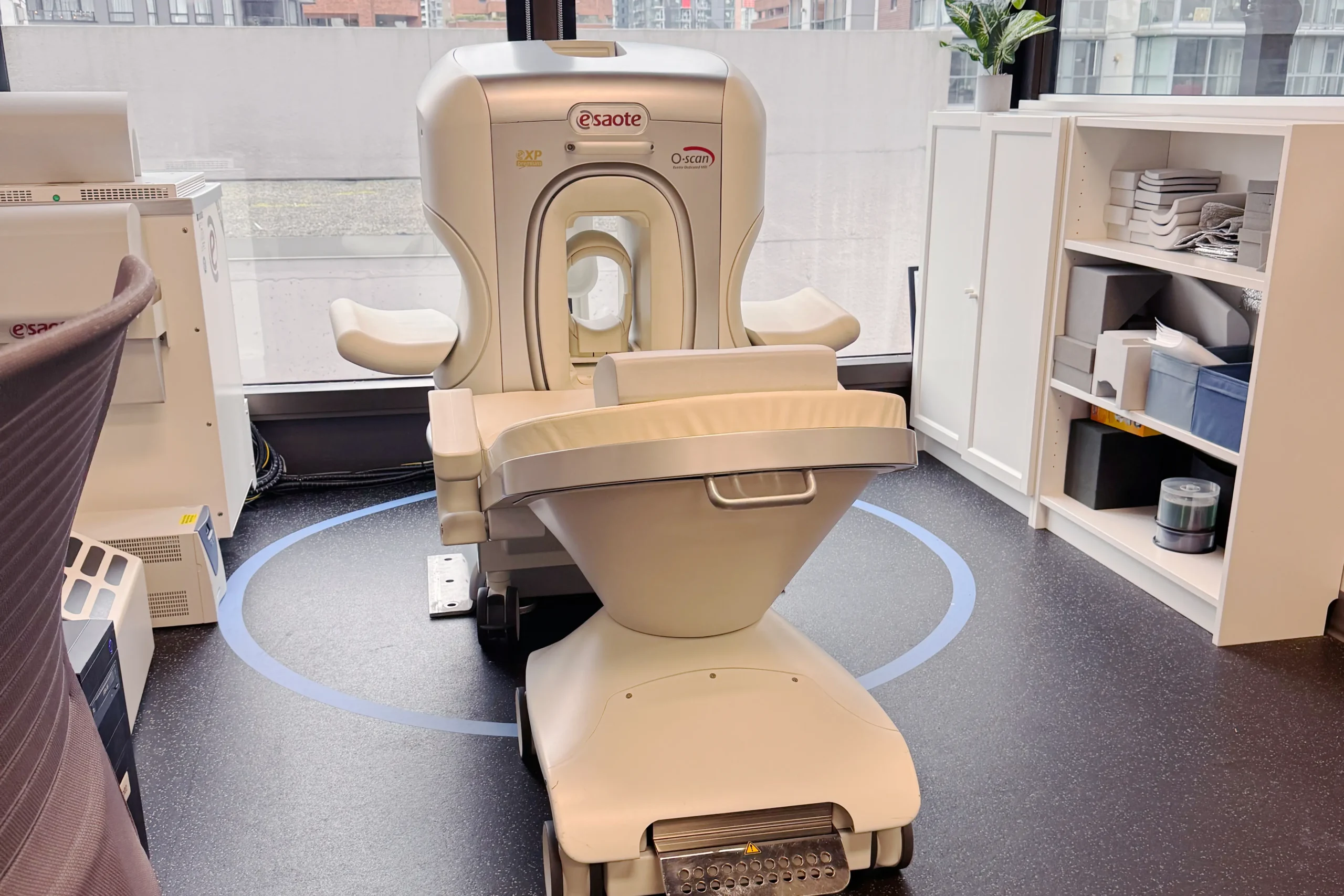
- Design (bore size/open feel)
- Software and image reconstruction
- Protocols optimized for specific anatomy
And higher Tesla isn’t automatically “better” for every situation—different tools shine in different scenarios.
Misconception 2: “MRI exposes you to radiation”
MRI does not use ionizing radiation. That’s one of the reasons it’s often seen as a very appealing imaging option.
Misconception 3: “MRI causes infertility”
This misconception is usually tied to the radiation myth. Because MRI doesn’t use ionizing radiation, it doesn’t carry the same concern people associate with radiation-based imaging.
Misconception 4: “If you have metal in your body, you can’t get an MRI”
It depends on the type of metal and what it’s used for.
Many implants/devices are MRI-conditional or compatible—but MRI safety is always handled case-by-case with proper screening. The key is to disclose any implants, metal fragments, or devices in advance.
Misconception 5: “MRI is always cramped and claustrophobic”
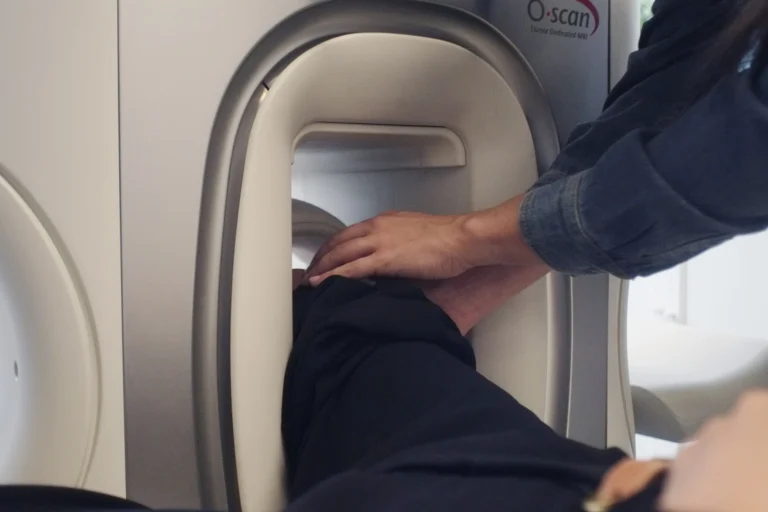
Older closed-bore scanners shaped this reputation. Today, many systems are designed with comfort in mind, and extremity scans can feel especially manageable because only the limb being scanned needs to be positioned.